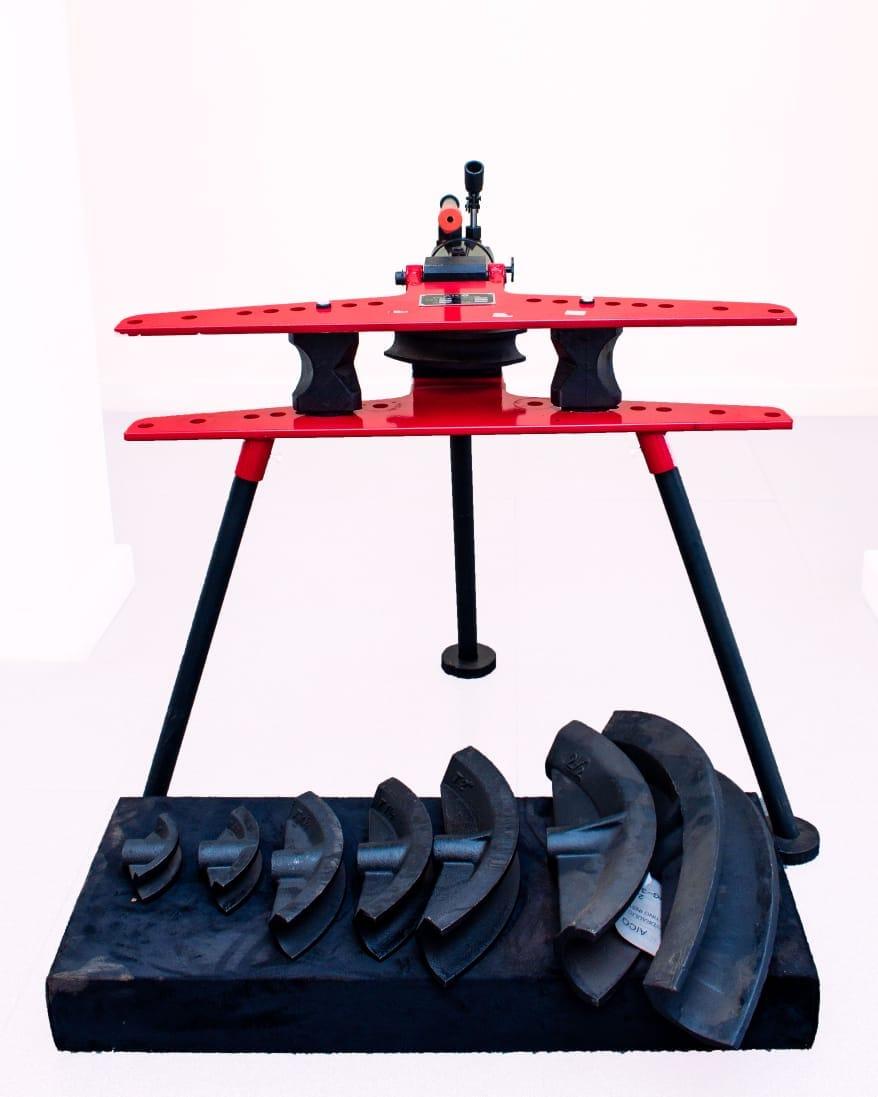
Aico Pipe Bar Bending Machine 1/2 to 2 inch
KSh38,999.00
Product Specifications
- Brand: Aico
- Product name: Pipe Bar Bending Machine
- Stated size range: 1/2 inch to 2 inches
- Machine category: Pipe and bar bending equipment
- Primary application: Bending compatible metal materials
- Potential users: Fabrication workshops, metalworkers and contractors
- Operating mechanism: Confirm with the manufacturer
- Compatible materials: Confirm with the manufacturer
- Maximum bending angle: Confirm with the manufacturer
- Bending dies and accessories: Confirm with the seller
- Power requirements: Confirm according to the machine type
- Availability and pricing: Contact Pejam Tools Kenya
Aico Pipe Bar Bending Machine 1/2 to 2 Inch – Powerful Precision
The Aico Pipe Bar Bending Machine 1/2 to 2 inch is a metalworking machine intended for bending compatible pipes or bars within its specified operating range. It is an option for fabrication workshops, metalworking businesses, construction-related operations and professionals who need equipment for shaping suitable metal materials. By using an appropriate bending machine, operators can produce controlled bends for projects that require shaped components rather than straight lengths of material.
The stated size range of 1/2 inch to 2 inches is an important consideration when selecting this equipment. Before purchasing, confirm with Pejam Tools whether this range refers to compatible pipe diameters, bar sizes or another manufacturer-defined measurement. Pipe wall thickness, material type, bending radius and machine capacity can affect whether a particular workpiece can be processed successfully.
Why Choose the Aico Pipe Bar Bending Machine 1/2 to 2 Inch?
The Aico Pipe Bar Bending Machine 1/2 to 2 inch is worth considering when your workshop requires dedicated equipment for pipe or bar bending. Choosing a machine that matches your material sizes and fabrication requirements can help you organise production work and improve consistency.
1. A Defined Size Range for Material Selection
The stated 1/2-inch to 2-inch range gives buyers a starting point when assessing whether this machine suits their projects. However, the exact meaning of the range should be verified against the manufacturer’s specifications before use.
Different materials and dimensions require different bending forces and tooling. A pipe’s outside diameter, wall thickness and material strength can influence the amount of force required and the risk of flattening or deformation.
Confirm the approved workpiece sizes and materials before placing an order.
2. Useful for Metal Fabrication Work
Bending equipment is commonly used in workshops that prepare metal components for fabrication and installation. Depending on the machine’s design and approved applications, suitable bending equipment may be used to shape compatible pipes or bars for frames, supports, fittings and other fabricated structures.
The exact applications of this Aico model depend on its construction, bending mechanism and supplied tooling. Verify these details with the seller rather than assuming it can handle every type of pipe or solid bar.
3. Supports Repeatable Bending Operations
When a project requires multiple components with similar shapes, a properly set up bending machine can help operators reproduce bends more consistently. Results depend on correct tooling, material preparation, machine adjustment and operator skill.
For repeated production, establish the required bend angle and dimensions before processing the full batch. Test the setup on a suitable sample where appropriate, and inspect the first finished component before continuing.
4. A Dedicated Machine for Workshop Tasks
Using equipment designed for the intended bending operation can help separate shaping tasks from cutting, drilling and joining work. This can support a more organised workflow in fabrication environments.
Before selecting the Aico Pipe Bar Bending Machine, consider the frequency of use, the types of components being produced and the space available for installation and material handling.
Applications of the Aico Pipe Bar Bending Machine 1/2 to 2 Inch
The Aico Pipe Bar Bending Machine 1/2 to 2 inch may be relevant to metalworking tasks that fall within the manufacturer’s confirmed specifications.
Potential applications for appropriately rated pipe or bar bending equipment include:
- Metal fabrication workshops: Shaping compatible metal components for fabrication projects.
- Construction-related work: Preparing approved metal components for suitable structural or installation tasks.
- Pipework fabrication: Forming bends in compatible pipes where the machine and tooling are designed for that purpose.
- Workshop manufacturing: Producing repeated components with specified bend shapes.
- Maintenance and repair work: Preparing replacement components when their material and dimensions are within the machine’s rated capacity.
- General metalworking: Supporting bending operations as part of a broader fabrication process.
These are general examples of pipe and bar bending applications, not a guarantee that every application is suitable for this specific model. Confirm whether the machine is designed for hollow pipes, solid bars or both.
Important Features to Confirm Before Buying
Product specifications are essential when purchasing metalworking machinery. Before ordering the Aico Pipe Bar Bending Machine 1/2 to 2 inch, ask Pejam Tools to confirm the following information.
Compatible Material and Size
Confirm the precise range of supported pipe diameters or bar dimensions. Also ask about material restrictions and the maximum wall thickness or material cross-section allowed.
A machine that can bend a particular outside pipe diameter may not necessarily be suitable for every wall thickness or metal type within that diameter.
Bending Mechanism and Operation
Ask whether the machine operates manually, mechanically, hydraulically or through another system. The operating mechanism affects setup, power requirements, workflow and the types of bending jobs for which the machine is suitable.
Do not assume that the machine has a hydraulic or electric drive unless the seller’s specifications confirm it.
Bending Angles and Radius
The achievable bend angle and minimum bending radius depend on the machine design, tooling and material properties. If your work requires specific angles or tight curves, request the manufacturer’s rated limits before purchase.
Incorrect tooling or an unsuitable bend radius may cause wrinkles, flattening, cracking or other material defects.
Included Dies and Accessories
Bending machines may require dies, formers, clamps or other tooling matched to the workpiece. Confirm which accessories are supplied with this particular model and which must be purchased separately.
Check the availability of compatible replacement tooling if you expect to use the machine regularly.
Power and Installation Requirements
If the machine uses an electrical, hydraulic or other powered system, verify its actual operating requirements. Confirm any voltage, phase, connection, installation and maintenance requirements specified by the manufacturer.
For a manual machine, confirm the operating arrangement and any mounting requirements. Ensure the installation area can accommodate the machine and the full length of the material being handled.
How to Prepare for Pipe or Bar Bending
Safe and accurate bending begins with proper planning. Follow the instructions supplied with the actual machine and use the following general principles where applicable.
Step 1: Identify the Material
Determine whether you are working with a hollow pipe or a solid bar. Check the material type, dimensions, wall thickness where relevant, and any manufacturer restrictions.
Do not process a workpiece that exceeds the machine’s rated capacity.
Step 2: Measure and Mark the Workpiece
Measure the required component length and mark the intended bending location. Account for the dimensions and layout of the finished component.
For repeated jobs, prepare a drawing or template showing the required bend locations and angles.
Step 3: Select the Correct Tooling
Choose tooling that is compatible with the material and workpiece dimensions. Incorrect dies or formers may damage the material or the machine.
Ensure the tooling is properly installed and secured according to the machine manual.
Step 4: Secure the Workpiece
Position the pipe or bar according to the manufacturer’s instructions. Confirm that it is supported and held securely before applying force.
Keep hands away from pinch points and moving components. Long workpieces may require appropriate supports to prevent unexpected movement.
Step 5: Perform a Controlled Bend
Operate the machine using the approved procedure. Apply force progressively as instructed and avoid exceeding the equipment’s capacity.
If the workpiece slips, deforms unexpectedly or shows signs of cracking, stop the operation safely and reassess the setup.
Step 6: Inspect the Finished Component
Check the bend angle, dimensions and material condition against the job requirements. For pipes, inspect for unwanted flattening, wrinkling or other deformation where relevant.
For critical components, use the appropriate measuring and inspection procedures before approving the part for further fabrication or installation.
Safety and Maintenance Guidelines
Metalworking equipment can create significant crushing, pinching and stored-energy hazards. Safe operation requires suitable training, correct installation and compliance with the manufacturer’s instructions.
- Read the machine manual before operating the equipment.
- Use appropriate eye protection, safety footwear and other specified protective equipment.
- Keep hands clear of moving parts and pinch points.
- Secure workpieces and use suitable supports where necessary.
- Keep the working area clear of obstacles and unnecessary materials.
- Do not exceed the rated capacity of the machine or its tooling.
- Never adjust or service moving components while the machine is operating.
- Isolate electrical or hydraulic power sources as applicable before maintenance.
- Inspect the machine and tooling for wear, damage or loose components.
- Arrange repairs and servicing through a suitably qualified technician.
For general guidance, consult the U.S. Occupational Safety and Health Administration resources on machine guarding. This information is general guidance and does not replace the manufacturer’s instructions or applicable Kenyan workplace safety requirements.
How to Choose the Right Pipe or Bar Bending Equipment
Selecting the right bending machine begins with identifying the materials and components you need to produce. Consider the supported size range, material type, required bend angles, production volume and available workshop space.
If your work involves several pipe diameters, confirm whether the machine supports all of them and whether additional tooling is needed. If you primarily bend solid bars, make sure the machine is specifically rated for that material and cross-section.
Also consider the availability of replacement parts, maintenance support and operator training. These factors can affect the long-term practicality of the equipment.
The Aico Pipe Bar Bending Machine 1/2 to 2 inch should be evaluated using its verified technical details rather than the size range alone. Confirm the machine’s operating method and limitations with Pejam Tools before making your final decision.
Buy the Aico Pipe Bar Bending Machine 1/2 to 2 Inch in Kenya
If you are sourcing bending equipment for a metal fabrication workshop or related business, explore the Aico Pipe Bar Bending Machine 1/2 to 2 inch at Pejam Tools. The stated range can help you begin evaluating the machine, but the final selection should be based on the manufacturer’s specifications and your intended workpieces.
Visit Pejam Tools Kenya to explore available tools and machinery. You can also search for fabrication equipment on Pejam Tools to find related products.
Before ordering, confirm the current price, stock availability, delivery arrangements, warranty terms, supported material sizes, operating mechanism and included accessories with the seller.
Related Resources for Metalworking
When planning a fabrication workshop, it is useful to understand equipment safety, tooling compatibility and the requirements of the materials being processed.
- Pejam Tools Kenya — browse available tools and machinery.
- OSHA Machine Guarding — learn about general machine-guarding principles.
- OSHA Metalworking — consult workplace safety information relevant to metalworking operations.
These external resources provide general information. They do not certify this particular Aico machine or verify its capacity.
Frequently Asked Questions
What is the Aico Pipe Bar Bending Machine 1/2 to 2 Inch used for?
It is marketed as pipe and bar bending equipment. Confirm with the seller whether this specific model handles hollow pipes, solid bars or both, and which materials it supports.
What does 1/2 inch to 2 inches mean?
It is the size range stated in the product name. Ask the seller whether it refers to pipe diameter, bar dimensions or another rated measurement before using it to determine compatibility.
Can the machine bend all types of metal?
Not necessarily. Material type, thickness, strength, dimensions and tooling affect suitability. Follow the manufacturer’s specifications and do not exceed the rated capacity.
Does the machine come with bending dies?
The supplied accessories have not been independently confirmed. Contact Pejam Tools to verify which dies, formers or other accessories are included.
How do I maintain the machine?
Follow the manufacturer’s maintenance schedule, inspect the machine and tooling regularly, keep the operating area clean and arrange qualified servicing when needed. Isolate applicable power sources before carrying out maintenance.
Order from Pejam Tools Kenya
The Aico Pipe Bar Bending Machine 1/2 to 2 inch is an option to investigate for workshop bending tasks. Confirm its technical specifications, tooling requirements and intended applications to ensure it matches your fabrication needs.
Visit Pejam Tools Kenya for product enquiries, availability and purchasing information.


Related products
Reviews
There are no reviews yet.