

Powered Feed Chopper – Electric
Original price was: KSh41,999.00.KSh39,999.00Current price is: KSh39,999.00.
Product specifications
- Product: Powered Feed Chopper – Electric
- Category: Agricultural and livestock feed-processing equipment
- Power options: Motor-powered or electric, depending on the selected model
- Main function: Chopping suitable fodder and crop materials
- Possible materials: Napier grass, forage, hay, and compatible maize stalks
- Motor/engine power: Confirm the exact model
- Rated capacity: Confirm with the supplier
- Cutting length: Confirm for the selected model
- Power supply/fuel type: Depends on the version
- Warranty and accessories: Confirm before ordering
Powered Feed Chopper – Electric
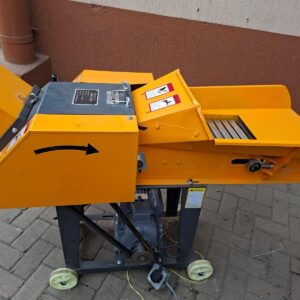
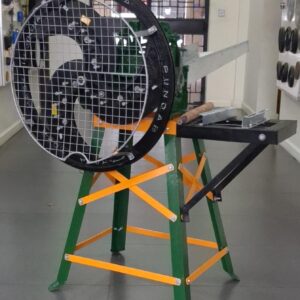
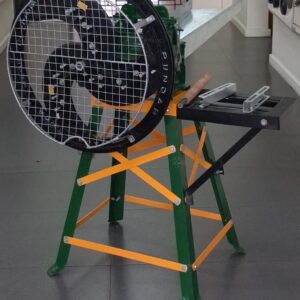
The Powered Feed Chopper – Electric is designed to help farmers prepare animal feed more efficiently by chopping suitable fodder and crop materials into smaller pieces. Available in motor-powered and electric configurations, a powered chopper can be a practical addition to dairy farms, livestock units, and agricultural businesses that regularly prepare feed for their animals.
Whether you need to process Napier grass, fresh forage, hay, or suitable maize stalks, the right feed chopper can reduce the manual effort involved in cutting fodder. It can also help make feed preparation more consistent when the machine is operated correctly and the material is suitable for the cutting system.
At Pejam Tools, you can explore agricultural equipment for everyday farm operations. Before choosing a powered chopper, consider the type of fodder you process, your expected workload, available power supply, and the cutting capacity of the specific model.
Why Choose a Powered Feed Chopper – Electric?
Faster and more convenient fodder preparation
Preparing livestock feed by hand can take considerable time, especially when a farm handles large quantities of fodder every day. A powered feed chopper uses a motor or engine to drive its cutting mechanism, helping reduce the physical effort required for repetitive chopping.
This can be useful for farmers who need to prepare feed regularly for cattle, goats, sheep, and other livestock. Actual processing speed depends on the motor or engine power, blade design, fodder type, moisture content, feeding method, and condition of the machine.
Chopping suitable grass and crop residues
A feed chopper is intended to cut appropriate plant materials into smaller pieces. Depending on the model, suitable materials may include:
- Napier grass and other suitable fodder grasses
- Fresh forage used in livestock feeding
- Hay and suitable dry fodder
- Maize stalks and other compatible crop residues
- Other plant materials specifically approved by the manufacturer
Always check the machine’s instructions before processing a new material. Not every chopper can safely handle every crop, and hard, woody, oversized, or contaminated material may damage the cutting system or create a safety risk.
A practical option for livestock farms
Farmers who prepare their own animal feed may benefit from having a dedicated machine for cutting fodder. A powered feed chopper – electric can help make the preparation process more manageable and allow workers to focus on other farm activities.
The right machine should match the size of your operation. A small farm with modest daily feed requirements may need a different configuration from a commercial livestock operation processing large amounts of fodder.
Powered Feed Chopper: Motor and Electric Options
The product title refers to motor-powered and electric options. Confirm the exact version supplied by Pejam Tools before ordering, because the power source affects installation, running costs, portability, and daily operation.
Electric-motor feed chopper
An electric feed chopper is suitable for locations with a compatible, reliable electrical supply. It does not require petrol or diesel for an engine, and it can be convenient where the machine is installed at a regular feed-preparation point.
Before use, check the rated voltage, phase, frequency, motor power, starting requirements, and electrical protection specified by the manufacturer. Do not assume that every electric model uses the same motor size or power connection.
Engine-powered feed chopper
Some powered choppers use a petrol or diesel engine instead of an electric motor. Depending on the design, an engine-powered version may be more convenient for farm locations where grid electricity is unavailable or where the machine needs to be moved between working areas.
The engine type, horsepower, fuel requirements, maintenance schedule, and output capacity vary by model. Check these details with the supplier before selecting an engine-powered version.
Main Benefits of a Powered Feed Chopper – Electric
Reduced manual workload
Mechanised chopping can reduce the repetitive hand-cutting work involved in preparing fodder. This may help farmers organise daily feed preparation more efficiently, particularly when fodder must be cut consistently throughout the week.
More consistent feed preparation
Using a machine designed for fodder can help produce more uniform pieces than irregular manual cutting, provided the blades are maintained and the machine is fed correctly. Suitable chopped fodder may be easier to mix and distribute during feeding.
The appropriate cutting length depends on the livestock, feed material, and feeding system. Follow advice from a qualified livestock or animal-nutrition professional when deciding how to prepare feed for a particular herd or flock.
Support for everyday farm operations
A feed chopper can be useful on dairy farms, livestock farms, mixed farms, and agricultural businesses that process plant materials as part of their feeding routine. It is equipment for feed preparation, not a substitute for a balanced ration, good-quality fodder, clean water, or appropriate animal care.
Potential savings in time
The time saved depends on how much fodder you process, the machine’s actual throughput, and how quickly material can be supplied to and removed from the machine. Ask for the manufacturer’s rated capacity and confirm the conditions under which that figure was measured before comparing different models.
Powered Feed Chopper – Electric Specifications
The precise specifications depend on the selected motor or electric model. Confirm the details of the actual machine before adding exact values to your product page.
- Product type: Powered animal-feed chopper
- Power configuration: Motor-powered or electric version, subject to the selected model
- Primary purpose: Chopping suitable fodder for livestock feed preparation
- Potential materials: Suitable grass, forage, hay, and compatible crop residues
- Motor or engine power: Confirm with Pejam Tools
- Power supply or fuel type: Confirm the selected version
- Rated processing capacity: Confirm with the supplier
- Cutting length: Confirm whether adjustable and check the supported range
- Blade type and quantity: Confirm for the supplied model
- Frame and construction materials: Confirm with the supplier
- Included accessories and warranty: Confirm before purchase
These details are important because two machines with similar names may have different motors, cutting systems, and processing capacities. Do not select a model based on horsepower alone; consider the material you intend to chop and the machine’s rated output.
How to Choose the Right Powered Feed Chopper – Electric
Start by estimating the amount of fodder your farm needs to process each day. A machine with insufficient capacity may slow down feeding preparation, while a larger machine may be unnecessary for a small operation.
Next, identify the materials you plan to chop. Fresh grass, dry hay, and maize stalks may behave differently during processing. Confirm that the machine is designed to handle your intended materials.
Consider the available power source. An electric model requires a suitable electrical installation and must be operated within its rated supply limits. An engine-powered model requires the correct fuel and regular engine maintenance.
Finally, ask about spare blades, servicing, warranty coverage, and the availability of replacement parts. Reliable after-sales support can be important when a chopper is used regularly during farm operations.
Safe Operation and Maintenance
A powered chopper contains moving cutting parts that can cause severe injuries. Read the operating manual and make sure every operator understands the machine’s controls and safety requirements.
Keep hands, clothing, and tools away from the feeding opening and cutting mechanism. Never reach into a machine while it is operating. Before clearing a blockage, inspecting blades, cleaning, or carrying out maintenance, switch off the equipment, isolate the power source, and follow the manufacturer’s lockout or safe-shutdown procedure. For engine-powered machines, follow the specified shutdown procedure and allow hot components to cool.
Use appropriate protective equipment and keep children and bystanders away from the working area. Do not remove guards or bypass safety devices. Inspect the blades, fasteners, drive components, and electrical or engine connections according to the maintenance schedule.
For general information on livestock feeding and farm management, consult the Food and Agriculture Organization of the United Nations (FAO). Use the chopper manufacturer’s manual for model-specific operating and maintenance instructions.
Buy a Powered Feed Chopper from Pejam Tools
Looking for a practical way to prepare fodder for your livestock? Explore the Powered Feed Chopper at Pejam Tools and ask for the version that matches your farm’s requirements.
Before ordering, confirm the current price, motor or engine configuration, rated capacity, cutting specifications, warranty, spare-parts availability, and delivery arrangements. These details will help you choose equipment that suits your workload and farm setup.
You can also browse the Pejam Tools shop to explore other equipment. If an agricultural-equipment category is available on the website, link to it here as well to help customers discover related farm machinery.
Choose the right powered chopper for your farm: verify the specifications of the supplied model, follow safe operating procedures, and maintain the machine according to the manufacturer’s instructions.


Related products
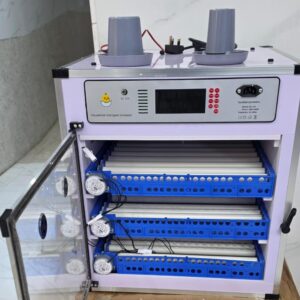
204 Fully Automatic Egg Incubator
Original price was: KSh26,499.00.KSh24,499.00Current price is: KSh24,499.00.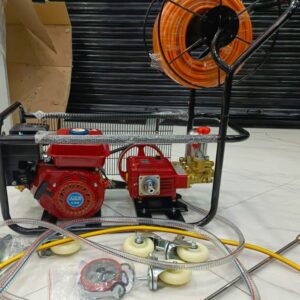
AC840PS AICO Japan Trolley Sprayer
Original price was: KSh33,999.00.KSh31,999.00Current price is: KSh31,999.00.
Aico Milking Machine YDH-001
Original price was: KSh60,000.00.KSh54,999.00Current price is: KSh54,999.00.


Petrol Engine Feed Chopper
Original price was: KSh39,999.00.KSh37,999.00Current price is: KSh37,999.00.
Reviews
There are no reviews yet.