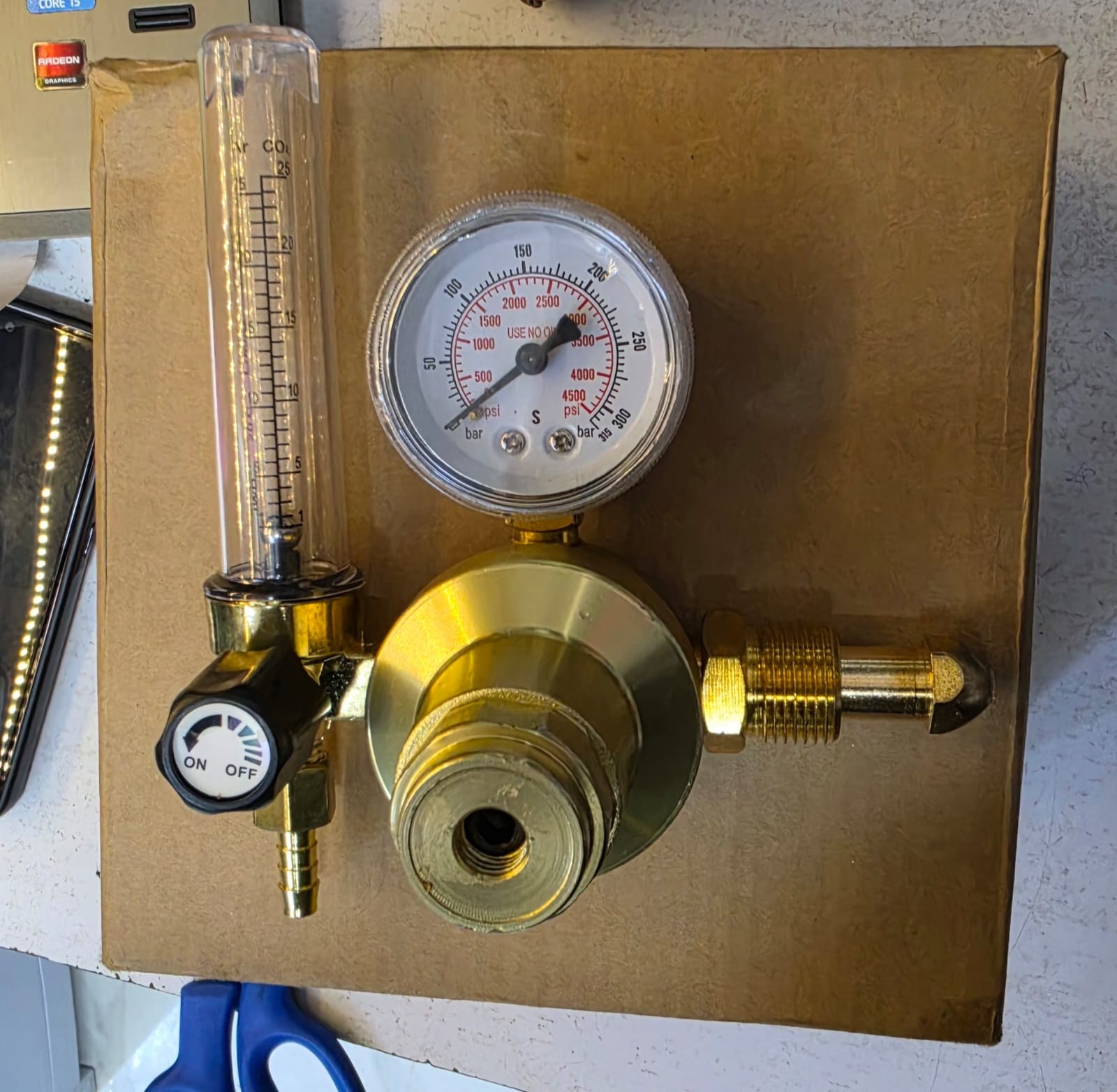
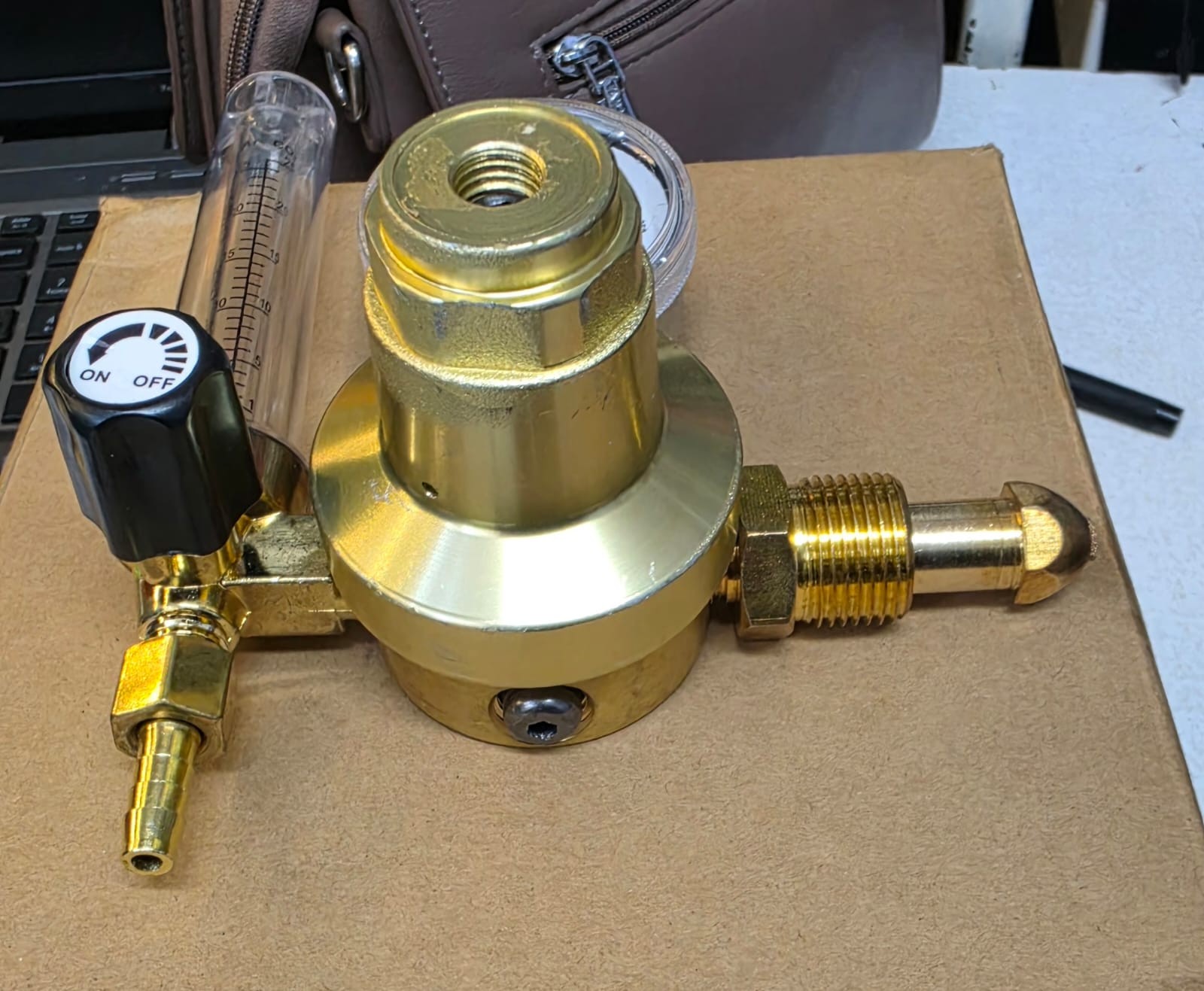
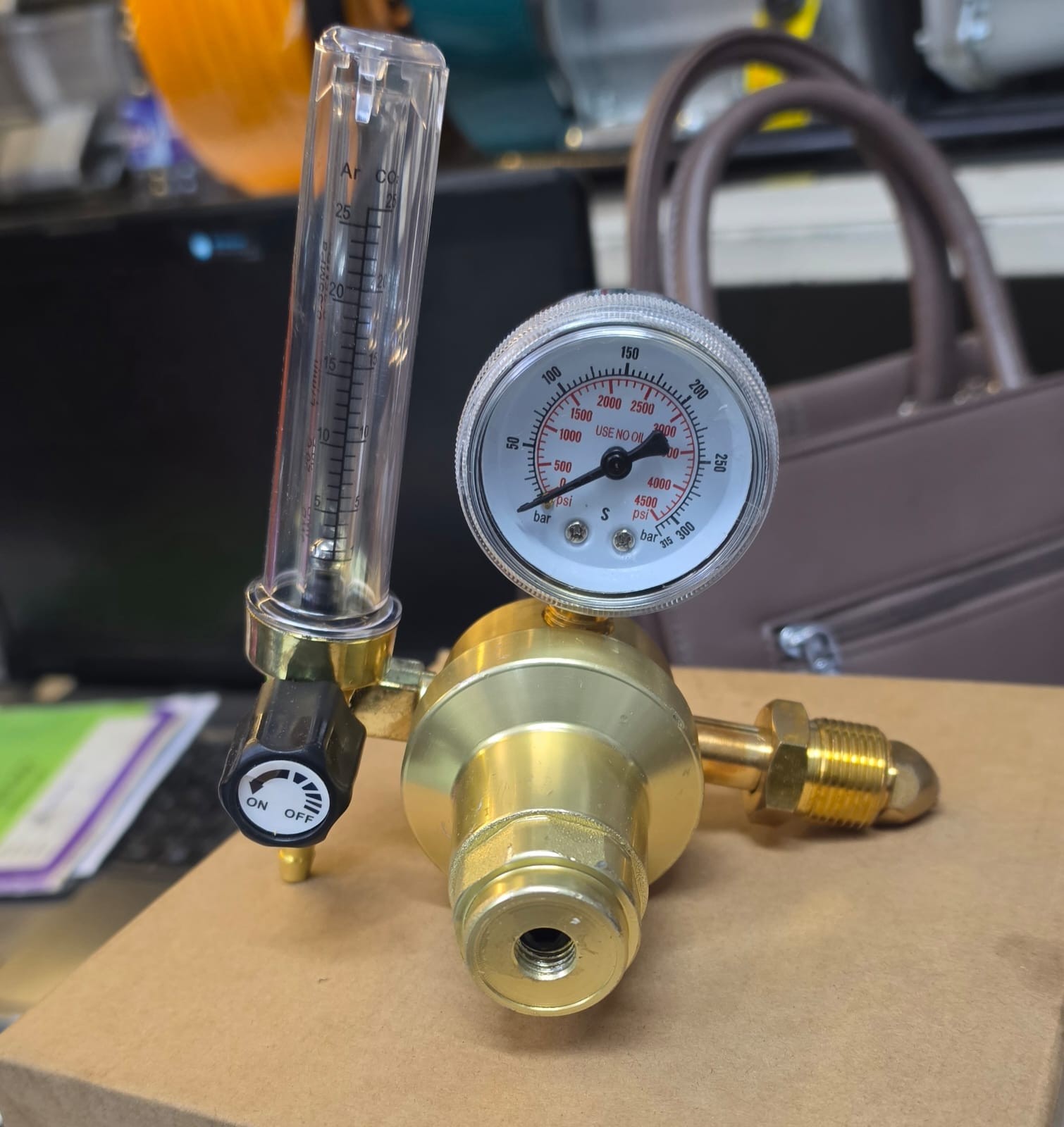
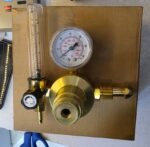
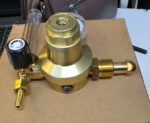
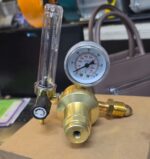


Argon CO2 Welding Gas Regulator 1
KSh7,999.00
Product Specifications
- Product type: Welding gas pressure regulator
- Gas compatibility: Confirm argon, CO₂, or argon/CO₂ mixture rating
- Application: MIG/TIG welding, subject to compatibility
- Regulator type: Confirm from the product label
- Maximum inlet pressure: Confirm with supplier
- Outlet pressure range: Confirm with supplier
- Gas flow range: Confirm with supplier
- Cylinder inlet connection: Confirm with supplier
- Outlet connection: Confirm with supplier
- Flow scale units: Confirm with supplier
- Hose and adapters: Confirm package contents
- Brand/model: Confirm from product label
- Price and availability: Contact Pejam Tools Kenya
Argon CO2 Welding Gas Regulator 1 – Reliable MIG TIG Control
The Argon CO2 Welding Gas Regulator 1 is designed for welding setups that require controlled shielding gas delivery. A suitable gas regulator or regulator-flowmeter helps reduce cylinder gas pressure to an appropriate working level and allows the shielding gas flow to be adjusted for the welding application.
This type of equipment is commonly used with compatible MIG welding systems and selected TIG welding setups. Before purchasing, confirm that the regulator is suitable for your gas type, cylinder connection, welding machine, and required operating range.
At Pejam Tools Kenya, we help customers find practical tools and workshop equipment for fabrication, maintenance, and repair work. If you need an argon or CO₂ regulator, verify the exact product specifications before ordering to ensure safe and compatible operation.
Why Choose the Argon CO2 Welding Gas Regulator 1?
A suitable welding gas regulator helps control the shielding gas supplied to the welding torch. Correct gas flow supports the protection of the weld area from atmospheric contamination during welding.
The Argon CO2 Welding Gas Regulator 1 is a product option to consider when sourcing gas-control equipment for a compatible welding setup. Its exact features depend on the model supplied.
Controlled shielding gas delivery
A regulator reduces the high pressure supplied by a gas cylinder to a suitable working pressure. If the unit includes a flowmeter, it also provides a way to monitor or adjust gas flow, depending on its design.
Support for MIG and TIG welding
MIG welding commonly uses carbon dioxide or an argon-based gas mixture. TIG welding commonly uses argon or another suitable shielding gas specified for the process and material.
The regulator must be rated for the actual gas being used. Do not assume that every regulator marked for argon is automatically suitable for pure CO₂ or every mixed-gas cylinder.
Readable pressure or flow indication
Depending on the model, a regulator may feature a pressure gauge, a flow tube, a flow scale, or a combination of these. Check the product photographs and specifications to establish which indicators are fitted to this particular unit.
A practical workshop accessory
Compatible gas-control equipment is useful in fabrication shops, welding workshops, automotive repair facilities, and maintenance environments where shielding gas is required.
Argon CO2 Welding Gas Regulator 1 for MIG Welding
MIG welding uses a continuously fed wire electrode. Many MIG processes require shielding gas to protect the weld pool, although the correct gas depends on the process, wire, material, and welding conditions.
A suitable regulator or flowmeter helps the operator set gas delivery according to the welding machine manufacturer’s recommendations.
When choosing the Argon CO2 Welding Gas Regulator 1 for MIG welding, check the following:
- Confirm whether the unit supports pure CO₂, argon, or an argon/CO₂ mixture.
- Check the cylinder inlet connection and thread specification.
- Verify the maximum inlet pressure and rated outlet pressure.
- Confirm the flow range and units shown on the flow scale.
- Check whether a gas hose, adapters, or other accessories are included.
- Ensure the regulator is compatible with the welding machine and cylinder being used.
Do not select a regulator based on appearance alone. Two regulators can look similar but have different gas ratings, connections, pressure limits, and flow ranges.
For additional background, read Miller’s guide to MIG welding tips and techniques.
Argon CO2 Welding Gas Regulator 1 for TIG Welding
TIG welding uses a non-consumable tungsten electrode and typically requires a suitable shielding gas to protect the weld area. Argon is commonly used, but the correct gas and flow setting depend on the application, torch, nozzle, material, and welding conditions.
When considering the Argon CO2 Welding Gas Regulator 1 for TIG welding, make sure the regulator is approved for the intended shielding gas and provides a suitable adjustment range.
Check that the connections fit your gas cylinder and welding equipment. Confirm that the unit can deliver the gas flow recommended for your specific TIG setup.
The required gas flow should not be guessed. Excessive flow can create turbulence and draw air into the shielding area, while insufficient flow can leave the weld inadequately protected.
For guidance on gas selection and cylinder setup, consult the welding equipment manufacturer’s instructions, such as the Kemppi guide to installing a gas bottle.
Argon CO2 Welding Gas Regulator 1 Specifications
The exact technical specifications of this listing should be confirmed from the supplied product label or manufacturer documentation. Use the following checklist before ordering.
- Product name: Argon/CO₂ gas pressure regulator
- Intended application: Compatible MIG and TIG welding setups, subject to the gas rating
- Gas compatibility: Confirm whether rated for argon, CO₂, or argon/CO₂ mixtures
- Regulator type: Confirm whether it is a pressure regulator, flowmeter regulator, or regulator-flowmeter combination
- Maximum inlet pressure: Confirm with the supplier
- Outlet pressure range: Confirm with the supplier
- Gas flow range: Confirm with the supplier
- Cylinder inlet connection: Confirm thread and fitting type
- Outlet connection: Confirm thread and fitting type
- Flow scale units: Confirm whether L/min, SCFH, or another scale is used
- Hose and adapters: Confirm whether included
- Brand and model number: Confirm from the product label
- Price and availability: Confirm with Pejam Tools Kenya
These details matter because regulator specifications are not universal. Do not copy the pressure rating, flow range, or connection size from another brand’s regulator unless the exact model has been verified.
How to Select the Right Welding Gas Regulator
1. Identify the shielding gas
First, establish whether your welding process uses argon, pure CO₂, or an argon/CO₂ mixture. Check the gas cylinder label and the welding machine manufacturer’s recommendations.
Use only a regulator approved for the gas and service in question. A regulator that is unsuitable for a gas or cylinder connection can create a serious safety risk.
2. Check the cylinder connection
Cylinder connections vary by gas type, supplier, and region. Confirm the exact thread, connector, and sealing arrangement before buying.
Never force a fitting or use improvised adapters to make incompatible equipment fit. Ask a qualified gas-equipment supplier to verify compatibility if you are uncertain.
3. Check pressure and flow requirements
The regulator’s rated inlet pressure must be suitable for the cylinder, and its outlet pressure and flow range must meet the welding equipment’s requirements.
Remember that pressure and flow are different measurements. A pressure gauge alone does not necessarily tell you the actual shielding gas flow at the torch.
4. Confirm the fittings and accessories
Check whether the product includes the required hose, outlet connector, adapters, and seals. If these items are sold separately, confirm their specifications before placing your order.
5. Match the regulator to your application
Consider the welding process, torch, gas type, working environment, and expected use. For demanding or frequent workshop use, check the manufacturer’s duty rating and service recommendations.
Safe Installation and Maintenance
Gas cylinders contain pressurised gas and must be handled carefully. Install and use the regulator in accordance with its manufacturer’s instructions and the gas supplier’s safety guidance.
Secure the cylinder upright using a suitable restraint. Keep it away from heat, sparks, impact, and other hazards. Ensure that the valve, regulator, hose, and connections are in good condition before use.
Before installation, confirm that the cylinder valve and regulator connections are clean and undamaged. Fit the regulator correctly without forcing the threads. Open and operate the equipment only as instructed by the manufacturer.
Use an approved leak-detection method to check connections. Never use a flame to check for gas leaks. If you detect a leak, stop work, isolate the gas supply if it is safe to do so, and follow the gas supplier’s emergency procedures.
Inspect the regulator, gauges, flow tube, seals, and hoses regularly. Do not use equipment with damaged gauges, cracked flow tubes, worn seals, corroded components, or suspected internal faults. Do not attempt unauthorised repairs to a pressure regulator.
Close the cylinder valve when the equipment is not in use and follow the manufacturer’s shutdown procedure. Keep the regulator protected from impact and contamination during storage.
For more information about regulator selection and features, consult this manufacturer’s guide to flowmeter regulators. It provides an example of how regulator design, gas compatibility, and flow measurement vary between models.
Frequently Asked Questions
What does an argon/CO₂ welding gas regulator do?
It controls the gas pressure supplied from a compatible cylinder. If it incorporates a flowmeter, it also helps the operator set or monitor shielding gas flow.
Can I use the same regulator for argon and CO₂?
Only if the regulator is specifically rated for the gases and connections involved. Confirm the exact manufacturer’s gas compatibility before use.
Is this regulator suitable for both MIG and TIG welding?
The product listing describes it for MIG and TIG welding. However, suitability depends on the actual gas rating, pressure range, flow range, and connection type. Verify these details before purchase.
Does the regulator include a hose?
The package contents have not been confirmed here. Ask Pejam Tools Kenya whether the hose, fittings, and adapters are included.
What flow rate should I use?
Use the flow rate recommended by your welding machine or torch manufacturer for the gas, process, nozzle, and working conditions. Do not use a generic setting for every application.
What should I check before ordering?
Confirm the gas type, cylinder connection, inlet pressure rating, outlet pressure, flow range, outlet connection, brand, model, and included accessories.
Buy an Argon CO2 Welding Gas Regulator from Pejam Tools Kenya
Choosing compatible gas-control equipment helps support consistent welding performance and safe operation. Before ordering the Argon CO2 Welding Gas Regulator 1, confirm the specifications against your cylinder and welding setup.
Visit Pejam Tools Kenya to explore tools and workshop equipment. Contact the team to verify the current product model, gas compatibility, pressure and flow ratings, fittings, package contents, and availability before purchase.


Related products

Argon/CO2 Gas Pressure Regulator
Original price was: KSh7,500.00.KSh6,499.00Current price is: KSh6,499.00.

Reviews
There are no reviews yet.