

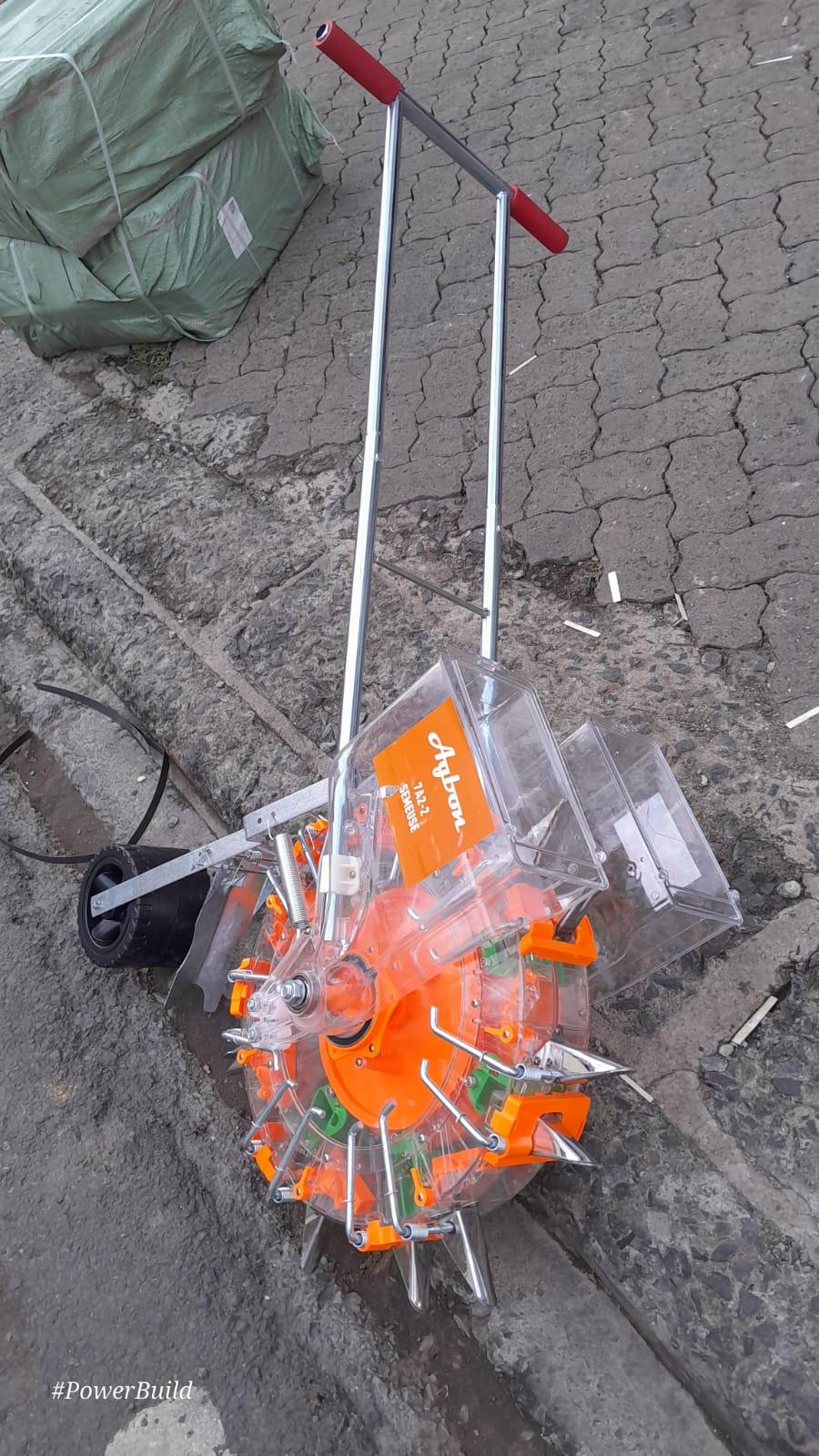
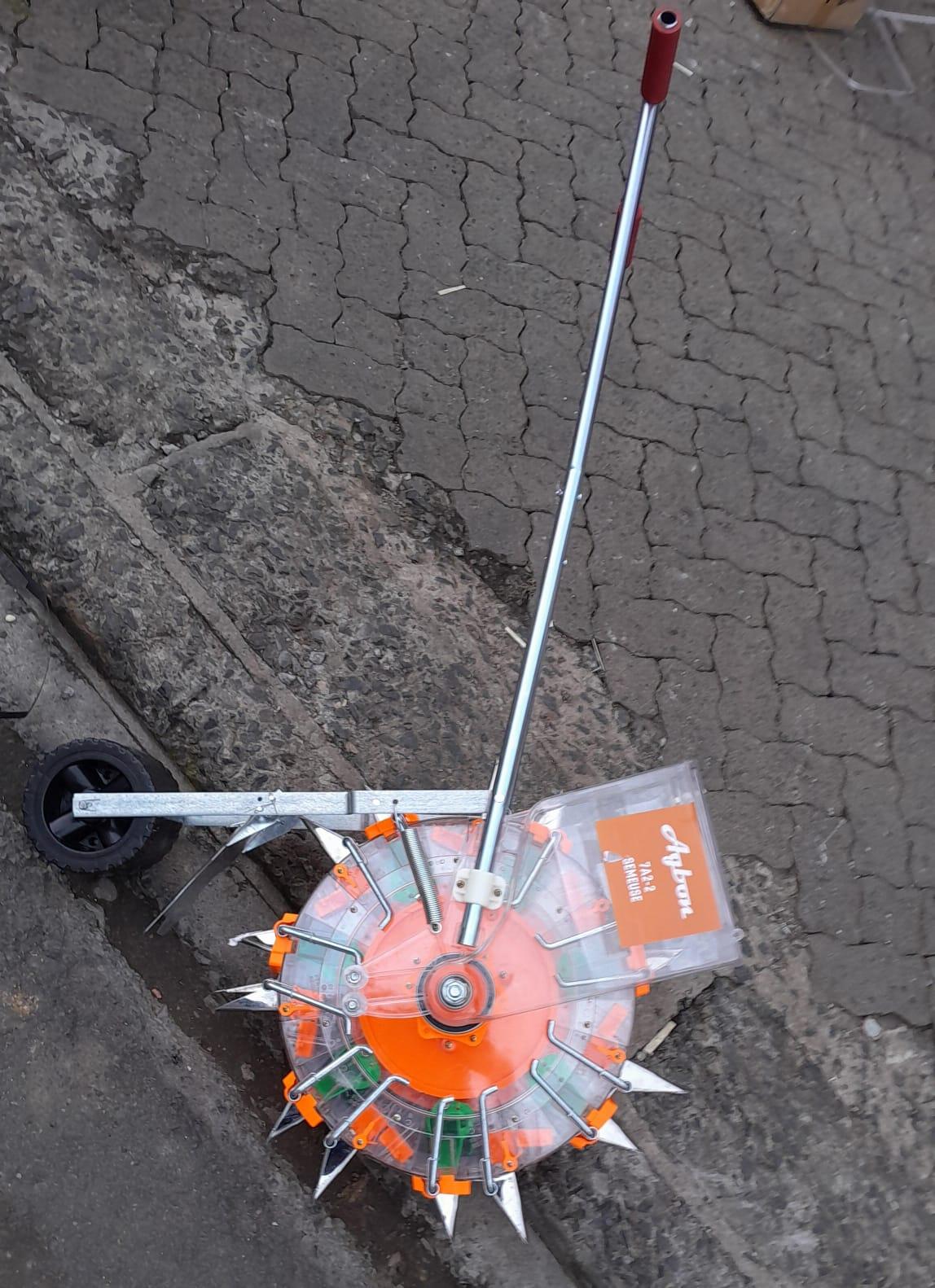



Manual Seed Planter with Fertilizer
Original price was: KSh25,000.00.KSh19,999.00Current price is: KSh19,999.00.
Product Specifications
- Product name: Manual Seed Planter with Fertilizer
- Equipment type: Manual agricultural planter
- Operation: Hand-operated
- Main function: Seed planting
- Fertilizer application: Integrated mechanism, subject to model confirmation
- Seed hopper capacity: Confirm with Pejam Tools
- Fertilizer hopper capacity: Confirm with Pejam Tools
- Supported crops: Confirm seed compatibility
- Seed spacing: Confirm adjustment options
- Planting depth: Confirm adjustment options
- Power source: Manual operation
- Application: Crop planting and fertilizer placement
Manual Seed Planter with Fertilizer
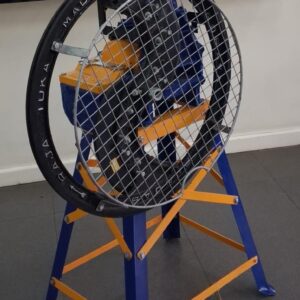
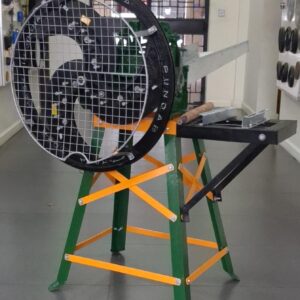
The Manual Seed Planter with Fertilizer is a practical farming tool designed to help farmers plant seeds and apply fertilizer more conveniently during crop establishment. By combining seed placement and fertilizer application in one manual planting process, this type of equipment can help organise fieldwork, reduce repetitive hand operations, and support more consistent planting when correctly adjusted.
Available from Pejam Tools, the Manual Seed Planter with Fertilizer is worth considering for farmers who want a simple planting solution for their crop production activities. It can be useful when preparing fields for crops that are compatible with the planter’s seed metering mechanism and planting arrangement.
Whether you manage a small farm, grow seasonal crops, or want to improve your existing planting routine, choosing appropriate planting equipment can make field operations easier to manage.
Before purchasing, confirm the planter’s supported seed types, fertilizer mechanism, row configuration, hopper capacity, and planting-depth adjustment with Pejam Tools.
Why Choose a Manual Seed Planter with Fertilizer?
Planting by hand can take considerable time, especially when working across larger plots or following a strict planting schedule. A manual planter can help make the process more organised by guiding seed placement and, where the design supports it, fertilizer delivery.
The Manual Seed Planter with Fertilizer may offer several practical advantages:
- Combined planting operation: Allows compatible seed and fertilizer application mechanisms to work within the same planting process.
- Manual operation: Does not require a motor to push the planter through the field.
- More organised seed placement: A correctly calibrated metering system can help maintain consistent seed spacing.
- Convenient field handling: A manual design can be useful where powered machinery is impractical.
- Potential labour savings: A suitable planter may reduce repetitive planting tasks compared with placing every seed by hand.
- Improved planting routine: Helps farmers establish a repeatable method for preparing planting holes, placing seed, and applying inputs.
Actual results depend on the planter’s design, crop type, soil condition, operator technique, and calibration. Seed spacing and fertilizer placement should always be checked in a small test area before beginning full-scale planting.
How the Manual Seed Planter with Fertilizer Works
A manual seed planter generally uses a seed hopper and a metering mechanism to release seeds as the operator moves the equipment through the field. Depending on the model, a planting mechanism opens a furrow or hole, places the seed, and may cover it with soil.
The fertilizer component may have a separate hopper and delivery mechanism for placing fertilizer during the same operation. The exact arrangement varies by product, so confirm whether the fertilizer is deposited beside the seed, below it, or through another configuration.
Correct separation between seed and fertilizer is important. Some fertilizers can damage germinating seeds if placed in direct contact at excessive concentrations. Follow the fertilizer manufacturer’s recommendations and local agronomic guidance for the crop being planted.
For additional guidance, consult the Food and Agriculture Organization of the United Nations for dairy production and milk hygiene resources.
Key Benefits for Farmers
1. Helps Organise Seed Spacing
Consistent spacing can help crops establish more uniformly and make better use of the available growing area. If the planter has adjustable seed metering, set it according to the crop’s recommended spacing and the characteristics of the seed.
Different crops require different planting distances. Large seeds, small seeds, irregularly shaped seeds, and treated seeds may behave differently inside the metering mechanism.
Test the planter with the intended seed before starting the main planting operation. Count the seeds released over a measured distance and adjust the mechanism if necessary.
2. Supports Convenient Fertilizer Application
The fertilizer mechanism is intended to make fertilizer application more convenient during planting. Where the machine supports separate seed and fertilizer delivery, the operator can carry out both tasks within one pass.
Correct application depends on fertilizer type, application rate, soil conditions, crop requirements, and the equipment’s metering accuracy.
Do not assume the planter automatically measures the correct fertilizer dose for every crop. Calibrate the fertilizer mechanism using the product instructions and recommendations from a qualified agricultural adviser.
3. Offers a Manual Alternative to Powered Equipment
A manual planter can be useful where access to tractors, powered seed drills, or other mechanised planting systems is limited. Its operation depends on the operator rather than an engine-driven propulsion system.
This can make a manual design worth evaluating for small plots, demonstration gardens, and farms where a lightweight planting method is preferred.
The actual effort required depends on the planter’s weight, handle design, soil preparation, field surface, and the amount of seed and fertilizer carried.
4. Helps Streamline Repetitive Fieldwork
Combining compatible planting steps may reduce the need to perform each task separately. This can help farmers organise planting days and establish a more repeatable workflow.
The planter is not a substitute for good land preparation, suitable seed selection, weed management, irrigation planning, or appropriate fertilizer recommendations. It is one component of an effective crop establishment process.
Suitable Applications and Crop Considerations
The suitability of the Manual Seed Planter with Fertilizer depends on the seed sizes and crops supported by its metering mechanism.
Farmers should check compatibility before using it for crops such as maize, beans, peas, groundnuts, or other field crops. These examples are not a guarantee that every planter configuration supports all the listed crops.
Small seeds may require a different metering plate or mechanism from larger seeds. Irregular seed shapes can also affect how accurately seeds are released.
For best results, confirm the following with the supplier:
- Which crop seeds the planter supports.
- Whether the seed metering system is adjustable.
- Whether different seed plates or interchangeable components are included.
- Whether the fertilizer mechanism has an adjustable application rate.
- What soil conditions and planting methods the equipment is designed for.
Choosing the right configuration helps reduce seed blockages, missed planting positions, and inconsistent input application.
Manual Seed Planter with Fertilizer: Product Specifications
Exact technical specifications must be confirmed against the actual unit supplied by Pejam Tools. The following table identifies the key details buyers should verify before ordering.
| Specification | Details |
|---|---|
| Product name | Manual Seed Planter with Fertilizer |
| Equipment type | Manual agricultural planting tool |
| Operation | Hand-operated |
| Main function | Seed placement during planting |
| Fertilizer function | Fertilizer application mechanism, subject to model confirmation |
| Seed hopper capacity | Confirm with Pejam Tools |
| Fertilizer hopper capacity | Confirm with Pejam Tools |
| Supported crops | Confirm seed compatibility |
| Seed spacing | Confirm adjustment range |
| Planting depth | Confirm adjustment range |
| Construction materials | Verify against the supplied unit |
| Included accessories | Confirm before purchase |
| Power requirement | Manual operation; no motor assumed |
| Main application | Crop establishment and planting |
Do not rely on estimated hopper capacities, dimensions, or planting rates without confirmation. The exact specifications determine which crops and farm conditions the planter can handle effectively.
How to Use a Manual Seed Planter with Fertilizer
Follow the manufacturer’s instructions for your particular planter. The general steps below provide a starting point for preparing and using compatible equipment.
Step 1: Prepare the Field
Remove large obstructions and prepare the soil according to the crop’s planting requirements. Soil that is excessively compacted, waterlogged, or full of large stones may prevent a manual planter from operating properly.
Step 2: Check the Seed and Fertilizer
Use clean, suitable seed and the fertilizer recommended for the crop. Confirm that the seed size is compatible with the metering mechanism and that the fertilizer is appropriate for the intended application method.
Step 3: Inspect the Planter
Check the handles, wheels, seed hopper, metering mechanism, fertilizer hopper, outlets, and moving parts. Ensure the components are correctly assembled and free from obstructions.
Step 4: Calibrate Seed Delivery
Load a small quantity of seed and test the planter in a safe area. Observe the number of seeds released and their spacing. Adjust the mechanism according to the manufacturer’s instructions.
Step 5: Calibrate Fertilizer Delivery
Test the fertilizer mechanism separately where possible. Measure the amount released over a known distance or number of planting positions and compare the result with the recommended application rate.
Avoid allowing concentrated fertilizer to contact seeds directly unless the crop-specific recommendations and equipment design permit it.
Step 6: Begin Planting
Move the planter steadily along the prepared row. Monitor seed release, planting depth, fertilizer delivery, and soil covering as applicable to the model.
Stop periodically to inspect the results. Correct blockages or inconsistent delivery before continuing.
Step 7: Clean and Store the Equipment
Empty unused seed and fertilizer, clean the hoppers and outlets, and remove soil from moving components. Store the planter in a dry location and follow the manufacturer’s maintenance instructions.
Maintenance Tips for Longer Service Life
Regular maintenance helps keep planting equipment in good working condition.
Clean the seed hopper. Remove leftover seeds, dust, and debris after use to help prevent blockages and contamination.
Clean the fertilizer mechanism. Fertilizer residues may absorb moisture and cause corrosion or clogging. Follow the manufacturer’s cleaning instructions and keep fertilizer away from components not designed to handle it.
Inspect moving parts. Check wheels, linkages, metering plates, handles, and fasteners for looseness or wear.
Check the outlets. Ensure seed and fertilizer passages are clear before every planting session.
Store the planter correctly. Keep it in a dry, sheltered place to reduce exposure to moisture and corrosion.
Replace worn components. Use compatible spare parts and follow the recommended service procedure.
Routine inspection can help prevent interruptions during planting and support more consistent operation.
What to Consider Before Buying
Before purchasing the Manual Seed Planter with Fertilizer, consider the size of your farm, crop type, soil preparation method, and available labour.
A planter that works well with one seed size may not be suitable for another. Likewise, fertilizer capacity and adjustment options can affect how frequently the operator must refill the equipment.
Ask Pejam Tools to confirm the product’s exact configuration, available adjustments, supported crops, price, stock status, delivery arrangements, and warranty terms.
If you plan to plant several different crops, check whether the same unit can accommodate different seed sizes or whether additional components are needed.
Buy a Manual Seed Planter with Fertilizer from Pejam Tools
The Manual Seed Planter with Fertilizer is an option for farmers looking for a hand-operated planting tool that can help organise seed placement and fertilizer application.
By selecting equipment that matches your crop and checking its calibration before use, you can establish a more consistent planting routine and manage field operations more conveniently.
Visit the Pejam Tools online store to explore agricultural tools and equipment. Contact the team to confirm the available planter configuration, technical specifications, package contents, and current price before placing your order.
You can also browse other available equipment through the Pejam Tools product catalogue.
Frequently Asked Questions
What is a Manual Seed Planter with Fertilizer?
It is a hand-operated agricultural planting tool designed to place seeds and support fertilizer application during planting, depending on the model’s mechanism.
Can this planter be used for maize?
It may be suitable for maize if the seed metering mechanism supports the size and shape of the seed. Confirm compatibility and any required adjustments with the supplier.
Does the planter apply fertilizer automatically?
The fertilizer mechanism may dispense fertilizer as the planter moves, but the application rate and operation depend on the model. Calibration is essential.
Is the Manual Seed Planter with Fertilizer suitable for small farms?
A manual planter may be useful on small farms where a hand-operated planting method is preferred. Suitability depends on field conditions, seed compatibility, and the operator’s requirements.
How do I maintain the planter?
Clean the seed and fertilizer hoppers after use, clear blocked outlets, inspect moving parts, and store the equipment in a dry place.
What specifications should I confirm before buying?
Confirm seed and fertilizer hopper capacities, supported crops, planting-depth and spacing adjustments, construction materials, accessories, and the fertilizer application mechanism.
Where can I purchase the Manual Seed Planter with Fertilizer?
Contact Pejam Tools through the official website to confirm current availability, pricing, and delivery details.
Improve Your Planting Routine
Choosing a suitable Manual Seed Planter with Fertilizer can help make planting more organised when the equipment is correctly matched to the crop and properly calibrated.
For the best results, confirm the specifications before purchase, follow recommended planting and fertilizer rates, and maintain the equipment after every use. Contact Pejam Tools for assistance selecting a configuration that meets your farming requirements.


Related products
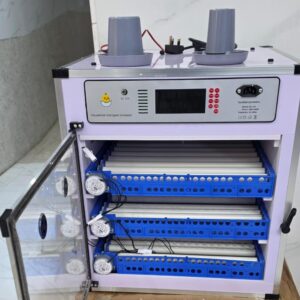
204 Fully Automatic Egg Incubator
Original price was: KSh26,499.00.KSh24,499.00Current price is: KSh24,499.00.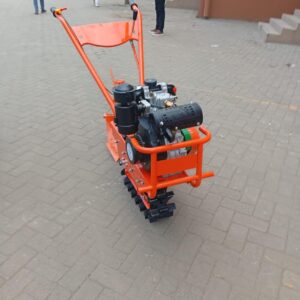


Petrol Engine Feed Chopper
Original price was: KSh39,999.00.KSh37,999.00Current price is: KSh37,999.00.Powered Feed Chopper – Electric
Original price was: KSh41,999.00.KSh39,999.00Current price is: KSh39,999.00.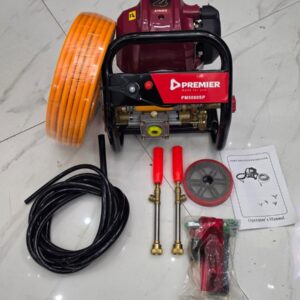
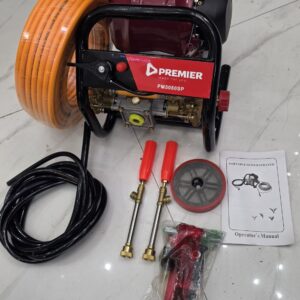
Reviews
There are no reviews yet.